

Introduction: When Help Feels Out of Reach
As of November 1, 2025, millions of families across the United States are facing uncertainty due to delays in SNAP (Supplemental Nutrition Assistance Program) benefits. For many households, this isn’t just a bureaucratic hiccup—it’s food on the table, meals for kids, and a major source of stability.
If you rely on SNAP to feed your family or know someone who does, this delay can feel overwhelming. Grocery prices remain high, paychecks don’t stretch like they used to, and the holidays are right around the corner. But before panic sets in, know this: there is help available, and you are not alone.
In this post, I’ll walk you through:
- What’s happening with SNAP benefits in November 2025
- Immediate steps to take to stretch your groceries and find free food support
- Depression-era-inspired meal ideas to make ingredients last
- Affordable baby and kids’ resources
- Emotional and community support when times feel heavy
Let’s talk about how to get through this month together—with resourcefulness, resilience, and heart.
1. What’s Happening with November SNAP Benefits
According to updates from several state agencies and recent national reports, SNAP benefits for November 2025 may be delayed or paused due to the ongoing federal budget stall. Funding for the program is tied to the USDA budget, and many states have warned that if federal funds aren’t released in time, EBT cards may not be reloaded at the usual date.
This means that while October benefits remain usable, November deposits may not appear on schedule—or at all until Congress finalizes the budget.
For Michigan families (and across many states), this could temporarily impact:
- Monthly SNAP allotments
- Emergency allotments
- Processing of new applications or renewals
If your family depends on these benefits, this isn’t the time to wait and see what happens. It’s time to prepare, plan, and gather community resources now.
2. Immediate Steps to Take Right Now
Even if benefits are delayed, there are proactive steps you can take today to stretch what you have and access free support.
✔ Check Your Balance
Log into your state’s EBT portal or call the number on your card. Knowing your exact balance will help you plan meals and prioritize what needs restocking.
✔ Stock Up Smartly
If you still have remaining funds, use them on long-lasting essentials:
- Beans, lentils, rice, pasta
- Oats, flour, and pancake mix
- Frozen vegetables and fruit
- Canned meats, soups, and tomatoes
- Peanut butter and shelf-stable milk
These items provide nutrition, flexibility, and shelf life.
✔ Find Free Food Resources
Call 2-1-1 or visit 211.org to find local food banks, pantries, and community kitchens near you. Many organizations prepare for SNAP disruptions and increase distribution hours during crises.
Local schools also continue to offer free or reduced-price breakfast and lunch programs even when SNAP is paused—check your district’s website or call the office.
✔ Meal Plan from the Pantry
Before spending anything, take inventory of your pantry, freezer, and fridge. Write down what you already have and build simple recipes around it.
Example:
- 1 can of beans + rice + spices = Burrito bowls
- Leftover chicken + noodles + broth = Homemade soup
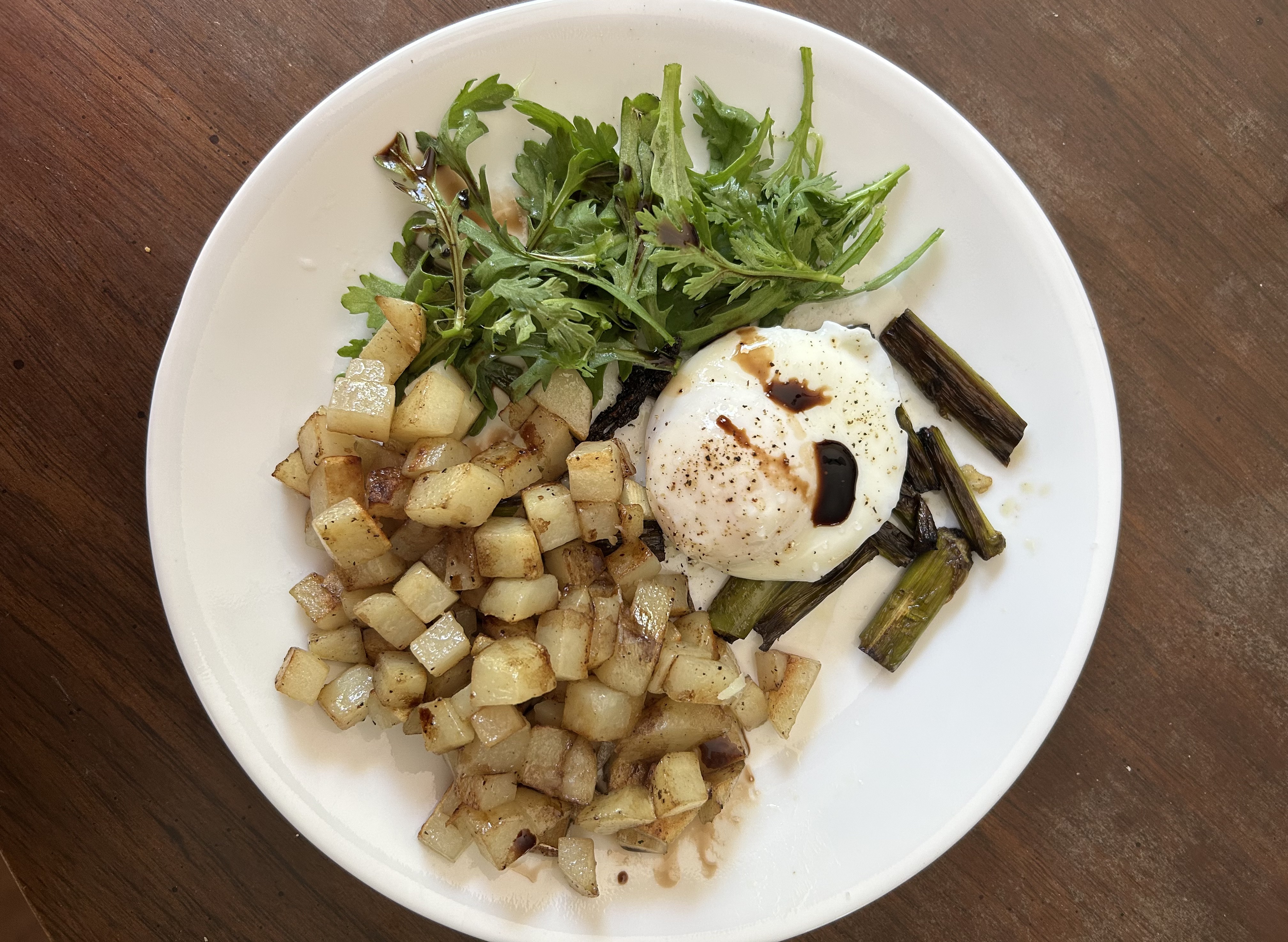
- Eggs + potatoes + frozen veggies = Budget-friendly skillet dinner
Even a quick list can make a difference in avoiding unnecessary purchases.
✔ Reach Out for Temporary Assistance
Community churches, local Salvation Army branches, and food co-ops often have emergency grocery vouchers or gift cards for families in crisis.
3. Learning from the Past: Depression-Era Food Wisdom
When families during the Great Depression faced empty cupboards, they didn’t have Amazon or Instacart—they relied on creativity, community, and resourcefulness. Many of those lessons are just as powerful today.
Simple, Filling Depression-Era Recipes
- Potato Soup: Potatoes, onion, and a little milk make a warm, hearty base.
- Rice Pudding: Rice, milk, sugar, and a touch of cinnamon create a dessert or breakfast.
- Mock Apple Pie: Crackers, sugar syrup, and spices—no apples required.
- Cabbage Stew: A head of cabbage, a few carrots, and broth can stretch over several meals.
- Bread Omelet: A Depression-era favorite—stale bread soaked in egg and fried until crisp.
Modern Twists for Today’s Kitchen
- Add lentils or beans for protein.
- Use frozen vegetables to cut waste.
- Bake extra and freeze portions for future weeks.
These recipes aren’t just nostalgic—they’re reminders that good food doesn’t need to be expensive.
4. Affordable Baby & Kids Essentials
Families with infants and toddlers face added pressure during SNAP delays. Diapers, wipes, formula, and clothing quickly eat into what’s left of a grocery budget.
Here are ways to save or find free baby items this month:
Thrift and Consignment Stores
Shops like Once Upon a Child, Goodwill, and local consignment boutiques often have gently used baby clothes, toys, and gear at a fraction of the price.
Community Exchange Groups
Check Facebook Marketplace, Buy Nothing groups, or church swap events. Parents frequently give away clothes their kids outgrow.
Free Diaper Programs
Organizations such as National Diaper Bank Network (diaperbanknetwork.org) and local nonprofits provide free diapers to families in need.
Formula and Food Support
If you’re using formula, contact WIC (Women, Infants & Children). Even if SNAP is delayed, WIC often continues distributing benefits separately.
Pro Tip: Keep a small bin of “next size up” clothes
This helps you stay ahead of growth spurts without needing to shop immediately.
5. Making the Most of What You Already Own
A huge part of frugal living—especially in times like these—is learning to repurpose and reuse.
Try these small but powerful swaps:
- Turn baby wipe containers into craft supply holders.
- Use glass jars for leftovers or pantry storage.
- Repurpose cardboard boxes into toy bins or drawer organizers.
- Save vegetable scraps to make homemade broth.
You’ll save money, reduce waste, and teach your children how to think creatively about resources.
6. Grocery Stretchers: Little Tricks That Add Up
Here are small changes that make your grocery dollar go further:
- Shop by unit price, not sticker price. Compare cost per ounce or per pound.
- Cook in bulk. Doubling recipes saves time and energy costs.
- Freeze strategically. Freeze leftover soup or vegetables before they spoil.
- Avoid “snack traps.” Pre-packaged snacks cost triple what homemade versions do.
- Shop discount sections. Stores often mark down items nearing expiration.
If you have access to Dollar Tree, Aldi, or store clearance aisles, check for shelf-stable foods and frozen produce. A $1 can of beans can stretch into two meals when combined with rice or pasta.
7. Free Mental & Emotional Support
Financial stress doesn’t just hit the wallet—it takes a toll on mental health too. If you’re feeling anxious, depressed, or overwhelmed, please reach out for free help:
- 988 Suicide & Crisis Lifeline: Call or text 988 anytime.
- Postpartum Support International: 1-800-944-4773 (for moms experiencing postpartum depression or anxiety).
- 211 Mental Health Resources: Local counselors, support groups, and community centers.
- Faith-Based or Community Groups: Many offer confidential counseling or family therapy at no cost.
If you’re parenting during financial stress, remind yourself that needing help does not make you a failure—it makes you human.
8. Supporting Each Other: Community Care
When government systems slow down, communities step up. One of the strongest ways to fight food insecurity is through connection.
Here are a few ways to give or receive support:
- Share resources: Post local food pantry hours, free meal sites, or community events on your social media pages.
- Start a “swap basket.” Neighbors can exchange canned goods, produce, or clothing.
- Offer time instead of money. Volunteer to drive someone to a food pantry or help a neighbor meal-plan.
- Donate gently used children’s clothes or unopened formula if you can spare them.
Collective care not only fills bellies—it builds hope.
9. Planning Ahead: Creating a Resilient Future
When benefits resume, consider ways to strengthen your safety net. A few small habits can prepare you for the next unexpected delay:
- Start a mini “food emergency fund.” Even $10 a month adds up.
- Create a rotating pantry. Restock one staple each week to keep essentials on hand.
- Learn basic canning or freezing. Preserving food stretches your budget.
- Use free budgeting apps to track spending and identify where a few extra dollars could be saved.
- Grow small. Even herbs on a windowsill or lettuce in a container can cut grocery costs.
The goal isn’t perfection—it’s progress. Small, steady steps can make next time feel less uncertain.
10. A Note of Hope
It’s easy to feel defeated when you’re doing everything right—budgeting, planning, cutting costs—and still find yourself facing an empty fridge or delayed benefits.
Please remember: you are not a number on a card. You are a parent doing your best in a difficult moment.
Relying on help doesn’t make you weak. It means you’re resourceful enough to find it.
When systems fail, people rise—and communities like ours come together to remind each other that we are stronger than any delay or budget battle.
Final Thoughts
SNAP delays can feel like the world is closing in—but with planning, resourcefulness, and community care, families can get through the hardest weeks.
Use this time to lean on your network, rediscover simple meals, and remember: every small step you take matters.
If you found this guide helpful, please share it with another parent or tag @CostFrugalMom on social media. Together, we can make sure no family feels alone during this season.






Leave a Reply