
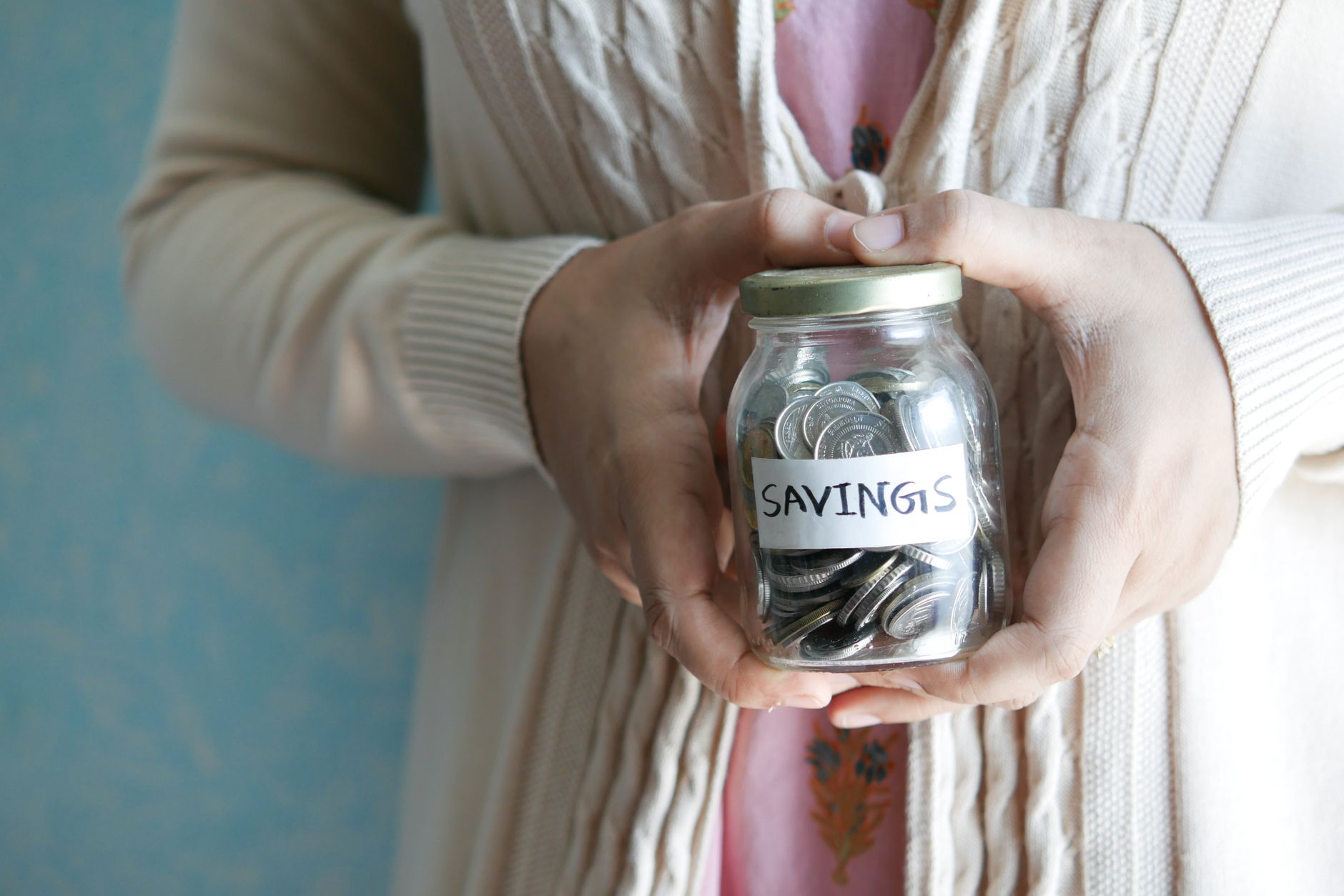
September can feel like a financial reset. As summer activities wind down and school routines begin, the expensive holiday season gets closer. For that reason, it is a great time to try a No-Spend September challenge.
But a no-spend month does not mean refusing to buy groceries, skipping bills, or putting off something your family truly needs. The goal is to pause unnecessary spending, use what you already have, and become more intentional with your money.
I am doing my own version of No-Spend September this year. I have locked my credit card to reduce impulse purchases, but I am still allowing room in the budget for necessary home projects, including a shed and exterior doors we need before winter. Your version of a no-spend month can include realistic exceptions, too.
Here are 30 practical ways to spend less this September without making the month miserable.
What Is a No-Spend Month?
A no-spend month is a temporary spending challenge during which you avoid nonessential purchases. You continue paying for necessities such as housing, utilities, groceries, transportation, childcare, medication, and previously planned expenses.
The challenge is not about spending absolutely nothing. It is about identifying the purchases you can pause and building better habits around the money you do spend.
Before getting started, decide what counts as an essential expense for your household. Your rules may look different from someone else’s, and that is completely fine.
1. Write Down Your No-Spend September Rules
Decide what you will and will not purchase before the month begins. Clear rules make it easier to make decisions when temptation appears.
Your approved spending list might include groceries, gas, bills, childcare, prescriptions, and specific home repairs. Your pause list might include takeout, décor, clothing, entertainment purchases, and unplanned online shopping.
2. Choose Your Exceptions in Advance
A necessary purchase does not mean you failed. List known expenses such as birthdays, school needs, home repairs, or medical appointments before starting.
Planning exceptions keeps one purchase from turning into an excuse to abandon the entire challenge.
3. Lock or Remove Saved Credit Cards
If your card issuer allows it, temporarily lock the credit card you tend to use for impulse purchases. You can also remove saved payment information from shopping websites and apps. Read more from Nerdwallet on how locking your card works.
Adding a little friction to checkout gives you more time to reconsider the purchase.
4. Unsubscribe From Retail Emails
Sale announcements create urgency, even when you were not planning to shop. Unsubscribe from the retailers that tempt you most or move their messages into a separate email folder. You can also use an app like LeaveMeAlone to remove yourself from emails.
Remember, saving 30 percent on something you do not need is still spending 70 percent.
5. Delete Shopping Apps From Your Phone
You do not need to close your accounts. Simply removing the apps can interrupt the habit of browsing when you are bored, stressed, or tired.
6. Use a 48-Hour Waiting Rule
When you want something that is not essential, add it to a list and wait at least 48 hours. Many purchases lose their appeal once the initial excitement passes.
For more expensive items, extend the waiting period to seven days.
7. Shop Your Pantry First In No-Spend September
Before making a grocery list, check your pantry, refrigerator, and freezer. Build several meals around ingredients you already own.
This reduces food waste and can help lower your grocery bill without relying on complicated recipes.
8. Plan Meals Around What Needs to Be Used
Choose meals based on produce, dairy, and leftovers that will expire soon. Create a small “use first” section in the refrigerator so these foods remain visible.
9. Have One Leftover Night Each Week
Turn the odds and ends in your refrigerator into a buffet-style dinner. Everyone can choose what they want, and you avoid throwing away food you already paid for.
10. Pack Food Before Leaving Home
Bring snacks, drinks, and a simple meal when you expect to be away for several hours. This is especially helpful with young children, since hunger can quickly turn into an unplanned drive-through stop.
Reusable snack containers, insulated lunch bags, and water bottles can help if you already own them. There is no need to buy new supplies for the challenge.
11. Create a Low-Cost Grocery List During No-Spend September
Build your weekly meals around affordable basics such as eggs, rice, beans, lentils, pasta, potatoes, oats, frozen vegetables, and in-season produce.
Keep the meals simple enough that you will actually make them on a busy evening.
12. Use Coupons Only for Planned Purchases
Coupons and rebate apps can lower your bill, but only when they apply to something you already need. Do not add an unnecessary item simply because it offers cash back.
13. Compare the Final Price, Not the Discount
A large percentage-off sign does not automatically make something the best deal. Compare the final price, package size, store brand, and any available rebate before buying.
14. Pause Takeout for the No-Spend September
Choose a few extremely easy backup meals for nights when cooking feels impossible. Frozen pizza, grilled cheese, eggs, pasta, or a snack plate can still cost less than restaurant delivery.
15. Make Coffee and Drinks at Home
Coffee shops, convenience-store drinks, and vending machines can quietly consume a surprising part of the budget. Use the coffee, tea, drink mixes, and reusable cups already at home.
16. Use Up Toiletries Before Replacing Them
Check cabinets, travel bags, and bathroom drawers before buying shampoo, lotion, makeup, or cleaning products. Finish open containers and use samples you have collected.
17. Stop Browsing Stores for Entertainment
Walking through a store “just to look” makes it harder to avoid unplanned purchases. If you need one item, use a list, go directly to it, and leave once you have it.
18. Combine Errands for No-Spend September
Plan one route for groceries, library returns, appointments, and other errands. Fewer trips can reduce fuel use and limit opportunities for impulse spending.
19. Check the Library Before Buying
Libraries offer much more than books. Depending on your local system, you may be able to borrow movies, audiobooks, museum passes, tools, toys, games, and digital magazines.
20. Plan Free Family Activities For No-Spend September
Try a nature walk, playground visit, backyard picnic, scavenger hunt, library event, geocaching trip, or family movie night with a film you already have access to.
Free entertainment still counts as making memories.
21. Create a “Use What We Have” Activity Bin
Gather forgotten crayons, stickers, puzzles, toys, craft supplies, and games into one spot. Rotate a few items at a time so they feel interesting again without buying anything new.
22. Borrow Before You Buy during No-Spend September
Ask family, friends, or neighbors before purchasing a tool or item you may only use once. This works well for ladders, specialty tools, party supplies, camping equipment, and baby gear.
23. Join a Buy Nothing Group
Local Buy Nothing and community giveaway groups can help you find useful items at no cost. They are also a good place to pass along things your household no longer needs.
Avoid taking items just because they are free. Bring home only what you will genuinely use.
24. Repair Something You Already Own
Sew a loose button, glue a broken toy, touch up furniture, or troubleshoot a small appliance before replacing it. Look for a repair tutorial if you are unsure where to begin.
25. Sell Unused Items
A no-spend month can also become a make-money month. List clothing, toys, furniture, tools, or household items that are taking up space.
Set aside the money for debt, savings, or one of your planned expenses.
26. Cancel or Pause One Subscription
Review streaming services, apps, memberships, subscription boxes, and automatic deliveries. Cancel anything you no longer use or pause it for the month. Rocket Money is a great solution. It has helped me clean up my subscriptions with less headache.
27. Review Automatic Payments during No-Spend September
Check your bank and credit card statements for forgotten renewals or charges that have increased. A short account review may uncover savings that continue long after September.
28. Track Every Purchase
Write down everything you spend, even if the purchase is allowed. Awareness can change your behavior and reveal categories that need more attention. This is critical during No-Spend September.
A notebook, notes app, or basic spreadsheet is enough. Use the method you are most likely to maintain.
29. Transfer the Money You Did Not Spend
When you skip takeout, an online order, or another planned temptation, transfer some or all of that amount to savings or debt.
This turns an invisible decision into visible progress.
30. Plan an Affordable End-of-Month Reward
Celebrate completing the challenge without undoing your progress. Choose a favorite homemade meal, a family outing, an at-home movie night, or a small planned treat.
The reward should acknowledge your effort, not create a new financial setback.
What If You Spend Money During No-Spend September?
One unplanned purchase does not ruin the month. Look at what triggered it, decide what you might do differently next time, and continue the challenge with your very next decision.
Perfection is not the goal. If you spend less, waste less, and become more intentional with your money, the month is still a success.
Start Your No-Spend September
Choose three changes from this list that feel manageable today. Once those begin to feel natural, add another one. Small decisions repeated throughout the month can make a meaningful difference without leaving your family feeling deprived.
What are your rules for No-Spend September, and what are you saving for?

Celebrate Your Birthday with Free Offers
Many restaurants and retailers provide birthday freebies and discounts through loyalty programs, requiring advance signup. Notable offers include free drinks…







Leave a Reply